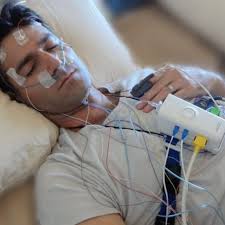
SLEEP STUDY LEVEL 2
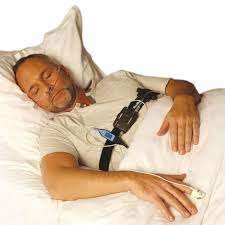
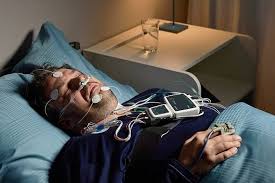
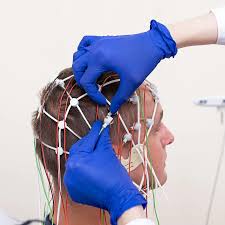
A Level 2 sleep study, also known as an unattended home polysomnography, is a comprehensive diagnostic test that provides a detailed evaluation of sleep architecture without requiring a stay in a sleep laboratory. Often described as the home-based equivalent of a Level 1 laboratory study, it is unique among home tests because it monitors brain activity (EEG), allowing specialists to accurately identify specific sleep stages and cycles. In addition to brain waves, the device typically records at least seven parameters, including eye movements (EOG), muscle tone (EMG), heart rhythm (ECG), airflow, respiratory effort, and oxygen saturation. This high level of detail makes it far more sensitive than a Level 3 study, enabling it to diagnose a broader range of disorders such as periodic limb movement disorder and central sleep apnea, while also providing a precise Apnea-Hypopnea Index (AHI). It is an ideal option for patients who require thorough diagnostic data but prefer the comfort and convenience of their own bed.
Description
Sleep Study Level 2 (Type II Portable Polysomnography)
A Level 2 sleep study, also known as Type II portable polysomnography, is an unattended comprehensive
sleep study performed outside the sleep laboratory—usually in the patient’s home—using equipment that
records nearly all the parameters of a full in-lab polysomnography (PSG). It provides detailed sleep
analysis while allowing the patient to sleep in a natural environment.
Purpose of Level 2 Sleep Study
- Diagnosis of obstructive and central sleep apnea
- Evaluation of sleep architecture and stages
- Assessment of oxygen desaturation and respiratory events
- Alternative to in-lab PSG when lab access is limited
Parameters Monitored
| Parameter | Purpose |
|---|---|
| EEG (Electroencephalogram) | Determine sleep stages and arousals |
| EOG (Electrooculogram) | Detect REM sleep |
| EMG (Chin and limb leads) | Assess muscle tone and limb movements |
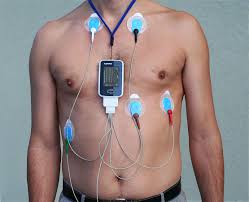
| ECG | Cardiac rhythm monitoring |
| Airflow (nasal pressure sensor) | Detect apneas and hypopneas |
| Respiratory Effort Belts | Differentiate obstructive vs central events |
| Pulse Oximetry (SpO₂) | Monitor oxygen saturation |
| Snore Sensor and Body Position | Assess snoring and positional apnea |
Components of the Device
- Portable PSG recording unit
- EEG, EOG, EMG electrodes
- Nasal cannula for airflow
- Respiratory effort belts
- Pulse oximeter probe
- ECG leads
Procedure
- Patient is trained to apply sensors correctly at home
- Device records overnight sleep data unattended
- Data is returned to the sleep center for analysis
unlike Level 3 studies.
Data Analysis and Reporting
- Sleep stages and architecture
- Apnea-Hypopnea Index (AHI)
- Oxygen Desaturation Index (ODI)
- Arousals and limb movements
- Snoring and positional data
Indications
- Suspected sleep apnea when in-lab PSG is not feasible
- Evaluation of complex sleep disorders
- Follow-up sleep assessments
Advantages
- Comprehensive data similar to in-lab PSG
- Home-based convenience
- Reduced cost compared to laboratory study
Limitations
- No technologist supervision during study
- Risk of sensor misplacement affecting data quality
Conclusion
A Level 2 sleep study offers a near-complete polysomnographic evaluation in a home setting.
It bridges the gap between simple home sleep tests and full laboratory PSG, providing accurate
sleep analysis when laboratory access is limited.