Multiple Sleep Latency Test (MSLT)
Description
Multiple Sleep Latency Test (MSLT)
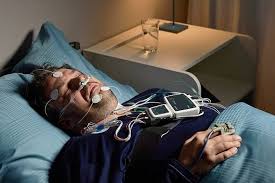
The Multiple Sleep Latency Test (MSLT) is a standardized daytime sleep study used to objectively
measure a patient’s level of daytime sleepiness and to diagnose disorders of hypersomnolence,
particularly narcolepsy and idiopathic hypersomnia. The test evaluates how quickly a person
falls asleep in a quiet environment during multiple scheduled nap opportunities.
Purpose of MSLT
- Quantify excessive daytime sleepiness
- Diagnose narcolepsy (Type 1 and Type 2)
- Differentiate idiopathic hypersomnia from other sleep disorders
- Assess effectiveness of prior night’s sleep and CPAP therapy when applicable
Prerequisite: Overnight Polysomnography
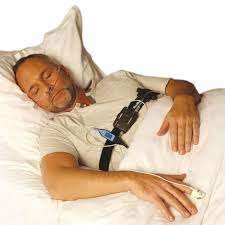
An overnight polysomnography (PSG) is performed the night before the MSLT to ensure adequate
sleep duration (typically ≥ 6 hours) and to rule out other sleep disorders such as obstructive
sleep apnea that may affect daytime sleepiness.
Test Procedure
- Conducted during the day following the overnight PSG
- Consists of 4–5 nap opportunities scheduled at 2-hour intervals
- Each nap trial lasts up to 20 minutes
- Patient lies in a dark, quiet room and is instructed to try to fall asleep
- If sleep occurs, the trial continues for 15 minutes to observe REM onset
Monitoring Parameters
| Parameter | Purpose |
|---|---|
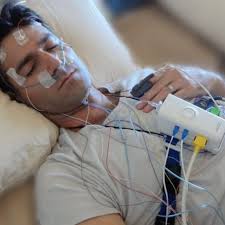
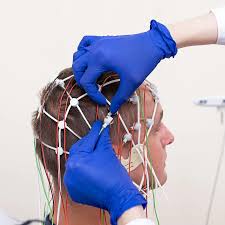
| EEG (Electroencephalogram) | Detect sleep onset and stages |
| EOG (Electrooculogram) | Detect REM sleep through eye movements |
| EMG (Chin muscle tone) | Differentiate sleep stages |
| ECG | Cardiac monitoring |
Key Measurements
- Sleep Latency: Time taken to fall asleep from lights out
- SOREMPs (Sleep-Onset REM Periods): REM sleep occurring within 15 minutes of sleep onset
Interpretation of Results
| Finding | Interpretation |
|---|---|
| Mean sleep latency < 8 minutes | Pathological daytime sleepiness |
| ≥ 2 SOREMPs | Suggestive of narcolepsy |
| Short latency without SOREMPs | Suggestive of idiopathic hypersomnia |
and should be managed prior to testing.
Clinical Applications
- Diagnosis of narcolepsy
- Assessment of unexplained excessive daytime sleepiness
- Differentiation of hypersomnolence disorders
Advantages
- Objective measurement of sleepiness
- Standardized diagnostic protocol
- High diagnostic value for narcolepsy
Limitations
- Time-consuming (full-day test)
- Requires prior overnight PSG
- Influenced by external factors if not controlled
Conclusion
The Multiple Sleep Latency Test is a crucial diagnostic tool for evaluating excessive daytime
sleepiness and identifying hypersomnolence disorders. When combined with overnight PSG,
it provides reliable and objective data for accurate diagnosis and treatment planning.