TITRATION STUDY
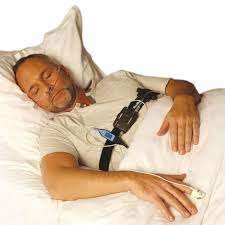
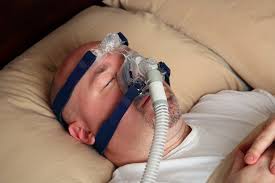
Titration studies are overnight sleep tests available at Trinity Health. A Continuous Positive Airway Pressure (CPAP) machine is used to treat patients diagnosed with Sleep Apnea. During the titration study, you will be asked to wear a mask that goes over your nose and mouth during sleep.
Description
Continuous Positive Airway Pressure (CPAP) Titration Study
A CPAP titration study is an overnight, attended polysomnography (sleep study) performed in a sleep laboratory
to determine the optimal continuous positive airway pressure required to eliminate obstructive respiratory events
in patients with Obstructive Sleep Apnea (OSA). The goal is to identify the minimum pressure that maintains upper
airway patency across sleep stages and body positions while ensuring patient comfort and stable oxygenation.
Purpose of a CPAP Titration Study
- Eliminate apneas, hypopneas, respiratory effort–related arousals (RERAs), and snoring
- Normalize oxygen saturation and reduce sleep fragmentation
- Determine optimal therapeutic pressure for home CPAP therapy
- Assess mask fit, leak, and patient tolerance
- Identify pressure needs during REM sleep and in the supine position
Indications
- Confirmed diagnosis of obstructive sleep apnea on diagnostic polysomnography or HSAT
- Persistent symptoms despite empirical CPAP or APAP use
- Suspected complex sleep apnea or pressure intolerance
- Need for bilevel therapy evaluation
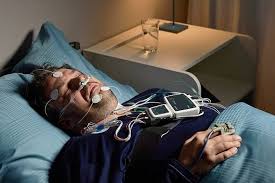
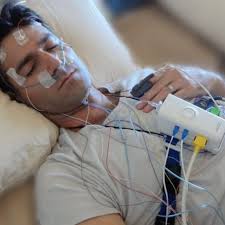
Monitoring Parameters During the Study
| Parameter | Purpose |
|---|---|
| EEG, EOG, EMG | Determine sleep stages and arousals |
| Airflow (nasal pressure transducer) | Detect apneas and hypopneas |
| Respiratory effort belts | Differentiate obstructive vs central events |
| Pulse oximetry (SpO₂) | Monitor oxygen saturation |
| ECG | Cardiac rhythm monitoring |
| Snore microphone | Assess snoring resolution |
| Body position sensor | Assess positional OSA |
| CPAP pressure and leak monitoring | Ensure effective delivery and mask fit |
Titration Protocol
CPAP titration is performed according to established sleep medicine guidelines (e.g., AASM). Pressure is gradually
increased throughout the night based on observed respiratory events.
Starting Pressure
- Typically begins at 4–5 cm H₂O for patient comfort
Pressure Adjustment Criteria
- Increase pressure by 1–2 cm H₂O for observed apneas, hypopneas, RERAs, or snoring
- Allow at least 5 minutes between adjustments to assess effect
- Target elimination of events in REM sleep and supine position
Optimal Pressure Determination
The optimal pressure is defined as the lowest pressure at which:
- Apneas and hypopneas are eliminated
- Oxygen saturation remains stable (> 90%)
- Snoring and flow limitation resolve
- Stable sleep architecture is maintained
Outcome and Reporting
The final report includes:
- Recommended CPAP pressure setting
- Residual AHI at optimal pressure
- Mask type and fit assessment
- Patient tolerance and any complications
- Recommendations for home therapy and follow-up
Clinical Significance
A successful CPAP titration study ensures effective long-term treatment of obstructive sleep apnea, reducing
cardiovascular risks, improving daytime alertness, and enhancing overall quality of life.