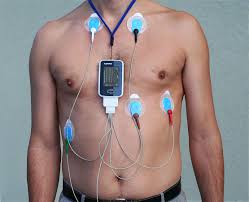
HOLTER MONITORING
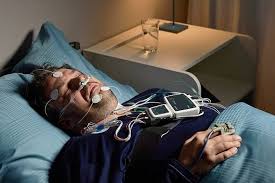
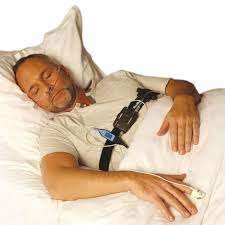
Holter monitoring is a non-invasive diagnostic test that uses a portable device to continuously record the heart’s electrical activity, typically for 24 to 48 hours. Unlike a standard electrocardiogram (ECG) which only captures a brief snapshot of heart rhythm, a Holter monitor provides a “continuous diary” of heart activity as you go about your normal daily routine, including exercise and sleep. Small, sticky patches called electrodes are placed on the chest and connected by wires to a compact, battery-operated recorder worn on a belt or shoulder strap. This extended monitoring period is crucial for detecting intermittent arrhythmias (irregular heartbeats), unexplained dizziness, or palpitations that may not occur during a short office visit. Patients are typically asked to keep a symptom log to help doctors correlate physical sensations with specific heart rhythm changes recorded by the device.
Description
Holter Monitoring
Holter monitoring is a continuous, ambulatory electrocardiographic (ECG) recording performed
over 24 to 48 hours (or longer) while the patient carries out normal daily activities. It is used
to detect intermittent cardiac arrhythmias, conduction abnormalities, and ischemic changes that
may not be captured during a standard resting ECG.
Purpose of Holter Monitoring
- Identify transient or intermittent arrhythmias
- Evaluate palpitations, dizziness, or syncope
- Assess effectiveness of antiarrhythmic therapy
- Detect silent myocardial ischemia
- Monitor heart rate variability
Components of a Holter System
| Component | Function |
|---|---|
| ECG Electrodes and Leads | Capture electrical signals from the heart |
| Portable Recording Device | Stores continuous ECG data |
| Batteries | Provide power for extended recording |
| Analysis Software | Processes and interprets recorded ECG data |
Procedure
- Electrodes are attached to the patient’s chest after skin preparation
- The portable recorder is secured to the patient’s waist or shoulder strap
- Continuous ECG recording for 24–48 hours
- Patient maintains a diary of activities and symptoms
Parameters Evaluated
- Heart rate and rhythm trends
- Premature atrial and ventricular contractions
- Pauses and conduction blocks
- ST segment changes indicating ischemia
- Correlation of symptoms with ECG changes
Clinical Applications
- Diagnosis of unexplained syncope and palpitations
- Evaluation of suspected arrhythmias
- Post-myocardial infarction monitoring
- Assessment of pacemaker function
Advantages
- Captures intermittent cardiac events
- Non-invasive and ambulatory
- Provides extended ECG monitoring in real-life conditions
Limitations
- Limited recording duration compared to implantable devices
- Electrode displacement may affect signal quality
- Requires detailed analysis after recording
Conclusion
Holter monitoring is a valuable diagnostic tool for detecting transient cardiac abnormalities
during routine daily activities. It enhances the ability to diagnose arrhythmias and guide
appropriate treatment decisions.