
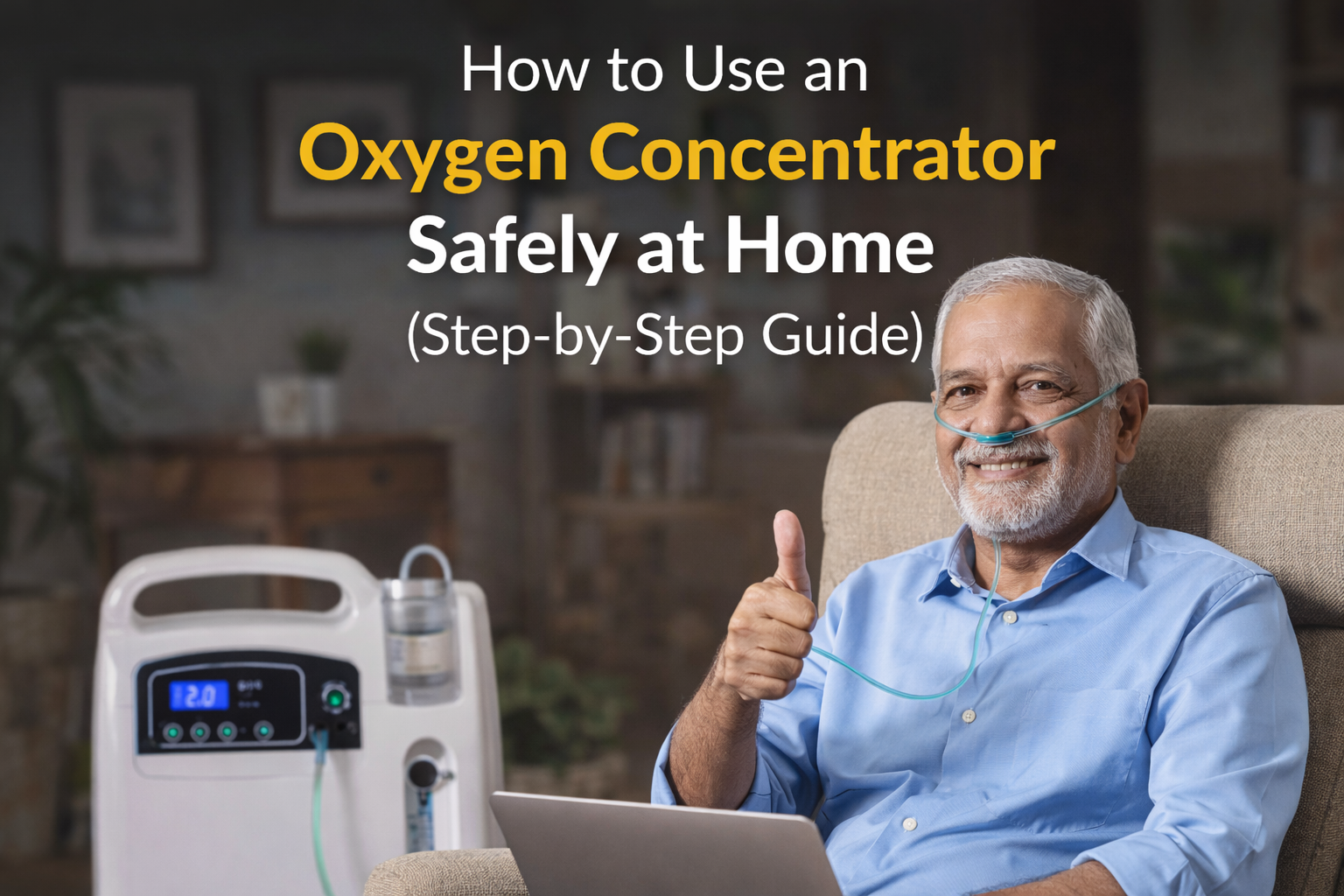
Using an oxygen concentrator at home can significantly improve the quality of life for people with respiratory conditions such as COPD, asthma, or post-COVID recovery. However, proper usage and safety are essential to ensure effective therapy and prevent risks like fire hazards or incorrect oxygen delivery.
In this step-by-step guide by Greenwell Healthcare, you will learn how to use an oxygen concentrator safely and efficiently at home.
What is an Oxygen Concentrator?
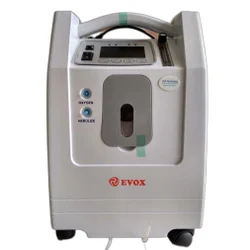
An oxygen concentrator is a medical device that draws in room air, removes nitrogen, and delivers oxygen-rich air with high purity levels. Unlike oxygen cylinders, it provides a continuous oxygen supply as long as it is connected to a power source, making it ideal for home use.
Step-by-Step Guide to Using an Oxygen Concentrator
Step 1: Choose the Right Location
Place the concentrator in a well-ventilated area with enough space around it for proper airflow.
- Keep it at least 1–2 feet away from walls and furniture
- Avoid placing it near curtains or enclosed spaces
- Keep away from heat sources
Proper placement helps the machine function efficiently and prevents overheating.
Step 2: Plug into a Safe Power Source
Always plug the device directly into a wall socket.
- Avoid extension cords
- Do not overload the socket
- Ensure stable electricity supply
This reduces the risk of electrical hazards and ensures uninterrupted performance.
Step 3: Attach the Humidifier Bottle (If Prescribed)
If your doctor recommends a humidifier:
- Fill it with distilled or sterile water
- Do not overfill the bottle
- Secure it properly to avoid leakage
Using the correct water type helps prevent infections.
Step 4: Connect the Nasal Cannula or Mask
Attach the oxygen tubing to the outlet and place the cannula in your nostrils or wear the mask comfortably.
- Ensure tubing is not bent or blocked
- Adjust for a secure and comfortable fit
Step 5: Turn On the Device
Switch on the concentrator and allow it to stabilize.
- Wait for a minute before use
- Check indicator lights for normal functioning
Step 6: Set the Prescribed Flow Rate
Adjust the oxygen flow according to your doctor’s prescription.
Do not change the flow rate without medical advice, as incorrect levels can be harmful.
Step 7: Check Oxygen Output
Ensure the device is delivering oxygen properly.
- Feel airflow from the cannula
- Monitor indicators or alarms
- Listen for unusual sounds
Important Safety Tips
Fire Safety
Oxygen supports combustion, so extra care is required.
- Do not smoke near the concentrator
- Keep away from flames, gas stoves, and heaters
- Maintain a safe distance from heat sources
Avoid Flammable Products
Certain products can become hazardous in oxygen-rich environments.
- Avoid aerosol sprays like room fresheners or hair sprays
- Do not use oil-based lotions or petroleum jelly
- Prefer water-based products
Electrical Safety
- Keep the device away from water
- Avoid using damaged wires or plugs
- Do not use electrical appliances like hair dryers while on oxygen
Proper Placement
- Keep the concentrator upright at all times
- Do not block air vents
- Ensure free airflow around the machine
Safety Around Family
- Keep children and pets away from the device
- Arrange tubing to prevent tripping
- Inform family members about oxygen safety
Cleaning and Maintenance Tips
Maintaining hygiene is essential for safe oxygen therapy.
- Clean filters weekly using mild soap and water
- Let filters dry completely before reuse
- Clean the humidifier bottle daily
- Wipe the outer surface regularly
Regular maintenance improves performance and extends the device’s lifespan.
Common Mistakes to Avoid
- Changing oxygen levels without consulting a doctor
- Using tap water in the humidifier
- Blocking airflow vents
- Ignoring warning lights or alarms
- Not having a backup during power outages
Emergency Preparedness
Being prepared can help you handle unexpected situations.
- Keep a backup oxygen cylinder
- Save emergency contact numbers
- Install smoke alarms
- Ensure access to power backup if needed
When to Contact a Professional
Seek help if you notice:
- Sudden drop in oxygen flow
- Overheating or unusual smell from the device
- Continuous alarm sounds
- Increased breathing difficulty
Final Thoughts
Using an oxygen concentrator at home is simple when proper steps are followed. Prioritizing safety, regular maintenance, and correct usage ensures effective oxygen therapy and peace of mind.
Greenwell Healthcare is committed to supporting patients and caregivers with reliable guidance and safe healthcare solutions for home use.