
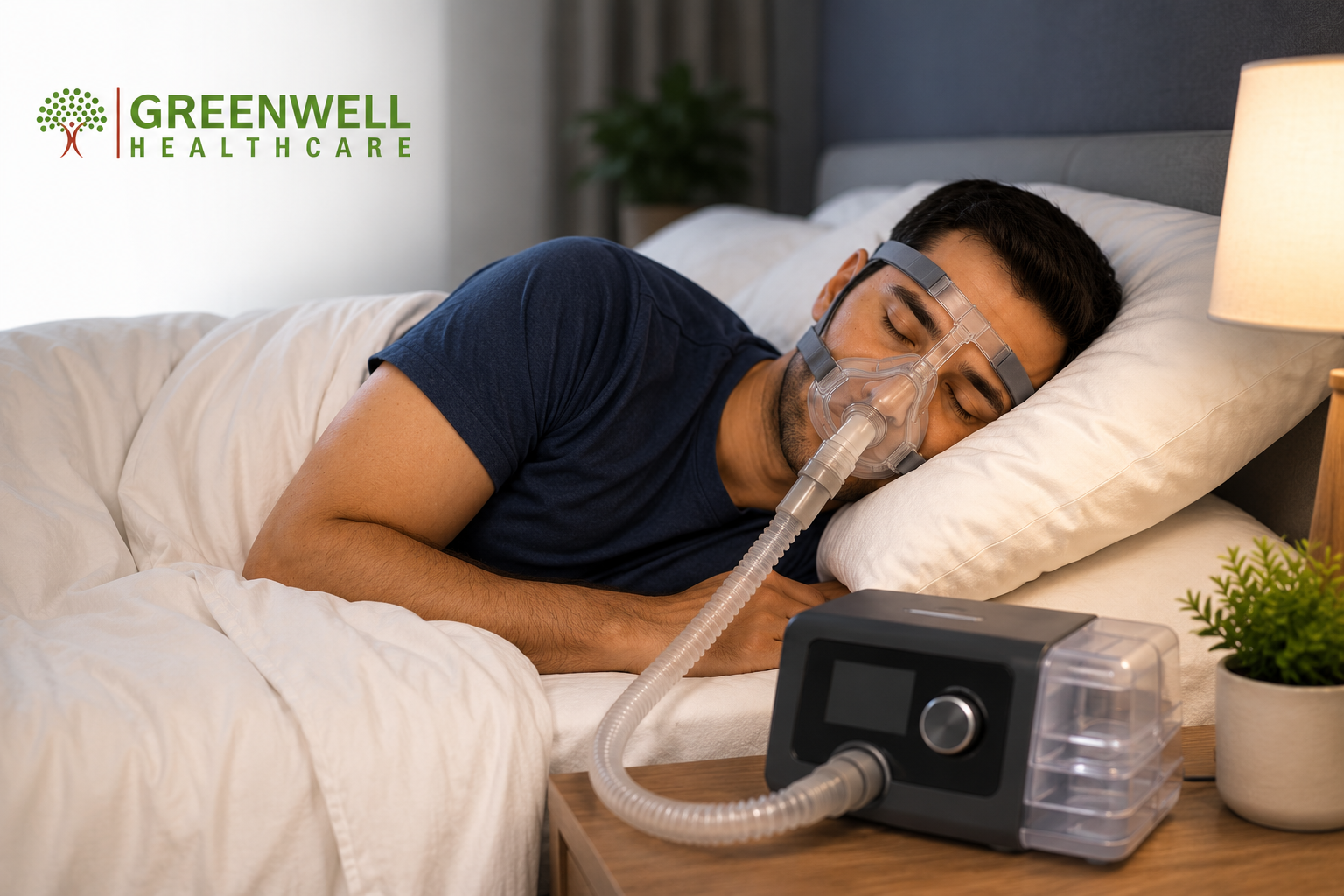
Sleep is essential for overall health, yet millions of people struggle with sleep disorders that affect their quality of life. One of the most common and serious sleep-related conditions is obstructive sleep apnea (OSA), a disorder characterized by repeated interruptions in breathing during sleep. Left untreated, OSA can increase the risk of cardiovascular disease, high blood pressure, diabetes, fatigue, and reduced cognitive performance. Fortunately, modern obstructive sleep apnea devices have transformed the way this condition is diagnosed and managed, helping patients achieve healthier sleep and improved well-being.
Understanding Obstructive Sleep Apnea Devices
Obstructive sleep apnea devices are specialized medical solutions designed to keep the airway open during sleep, preventing breathing interruptions and ensuring adequate oxygen flow. These devices play a crucial role in managing OSA and are often recommended after a sleep study confirms the condition.
Obstructive sleep apnea occurs when the muscles in the throat relax excessively during sleep, causing the airway to narrow or collapse. As a result, breathing repeatedly stops and starts throughout the night. Patients may experience loud snoring, choking sensations, morning headaches, excessive daytime sleepiness, and difficulty concentrating.
The right treatment device can significantly reduce these symptoms and help restore normal sleep patterns.
Types of Obstructive Sleep Apnea Devices
Several treatment options are available depending on the severity of the condition and individual patient needs.
Continuous Positive Airway Pressure (CPAP) Devices
CPAP therapy remains the most commonly prescribed treatment for moderate to severe sleep apnea. A CPAP machine delivers a constant stream of pressurized air through a mask, keeping the airway open throughout the night.
Benefits of CPAP devices include:
- Reduced snoring
- Improved sleep quality
- Better oxygen levels during sleep
- Lower risk of cardiovascular complications
- Enhanced daytime alertness
Modern CPAP machines are quieter, more comfortable, and equipped with advanced features such as humidification, pressure adjustments, and therapy tracking.
Bi-Level Positive Airway Pressure (BiPAP) Devices
BiPAP machines provide two different pressure settings one for inhalation and another for exhalation. These devices are often recommended for patients who struggle with standard CPAP therapy or require higher pressure support.
BiPAP systems can offer improved comfort and are particularly beneficial for individuals with certain respiratory conditions alongside sleep apnea.
Auto-Adjusting Positive Airway Pressure (APAP) Devices
APAP devices automatically adjust air pressure throughout the night based on the patient’s breathing patterns. This personalized approach can improve comfort and therapy compliance.
For patients whose pressure needs vary during sleep, APAP technology provides a more adaptive treatment experience.
Oral Appliance Therapy
Custom-fitted oral appliances are another treatment option, particularly for patients with mild to moderate sleep apnea. These devices reposition the jaw and tongue to help maintain an open airway.
Although not suitable for everyone, oral appliances can be an effective alternative for patients who cannot tolerate PAP therapy.
Benefits of Using Obstructive Sleep Apnea Devices
The advantages of effective sleep apnea treatment extend far beyond reducing snoring. Proper use of obstructive sleep apnea devices can lead to significant improvements in both physical and mental health.
Some key benefits include:
- Better sleep quality and duration
- Increased daytime energy levels
- Improved concentration and productivity
- Reduced risk of heart disease and stroke
- Better blood pressure management
- Enhanced mood and emotional well-being
- Improved quality of life for both patients and their families
Consistent therapy can also reduce the long-term healthcare burden associated with untreated sleep apnea.
Choosing the Right Sleep Apnea Device
Selecting the appropriate treatment device requires careful evaluation by healthcare professionals. Factors that influence device selection include:
- Severity of sleep apnea
- Patient comfort and preferences
- Presence of other respiratory conditions
- Lifestyle requirements
- Budget considerations
- Compliance and ease of use
A comprehensive sleep assessment helps determine the most suitable therapy approach. Patients should also receive proper education and support to ensure long-term treatment success.
The Importance of Professional Support
Successful sleep apnea management involves more than simply purchasing a device. Proper mask fitting, pressure adjustment, maintenance, and ongoing monitoring are essential components of effective treatment.
Healthcare providers and specialized medical equipment suppliers play a critical role in helping patients adapt to therapy and address any challenges they encounter. Regular follow-ups ensure that treatment remains effective and comfortable over time.
Green Well Healthcare: Supporting Sleep and Respiratory Care Solutions
When it comes to reliable sleep and respiratory care solutions, Green Well Healthcare has established itself as a trusted healthcare distribution and medical equipment provider in India. The company focuses on delivering advanced healthcare technologies that enhance patient outcomes while supporting healthcare professionals with dependable products and technical expertise.
Through collaborations with leading international healthcare manufacturers, Green Well Healthcare provides access to high-quality sleep and respiratory care solutions. Their commitment to innovation, service excellence, and customer support helps healthcare providers and patients benefit from modern treatment technologies. The company also emphasizes technical assistance and after-sales support, ensuring a seamless experience for users of sleep and respiratory therapy equipment.
Future Trends in Sleep Apnea Treatment
The field of sleep medicine continues to evolve rapidly. Emerging technologies are making sleep apnea therapy more personalized, convenient, and effective.
Some notable trends include:
- Smart connectivity and remote monitoring
- Artificial intelligence-driven therapy optimization
- More compact and travel-friendly devices
- Improved mask designs for greater comfort
- Enhanced patient engagement through mobile applications
These innovations are helping improve treatment adherence and outcomes, making sleep apnea management easier than ever before.
Final Conclusion
Sleep apnea is a serious condition that can negatively impact health, productivity, and overall quality of life. Fortunately, advances in obstructive sleep apnea devices have made effective treatment more accessible and comfortable for patients worldwide. From CPAP and BiPAP systems to oral appliances and smart therapy technologies, there are multiple solutions available to address individual needs.
Early diagnosis, proper device selection, and ongoing professional support are key to achieving successful treatment outcomes. By partnering with experienced healthcare providers and trusted companies such as Green Well Healthcare, patients can access reliable solutions that support healthier sleep, better breathing, and improved long-term health.